

Nine tables
One app, nine rulebooks.
Mahjong isn't one game. Every place that took it up changed the tiles, the hands and the way a hand is scored. Mahj Dragon plays each of these games by its own written rules, so a win or a score works the way it does at that kind of table.
-
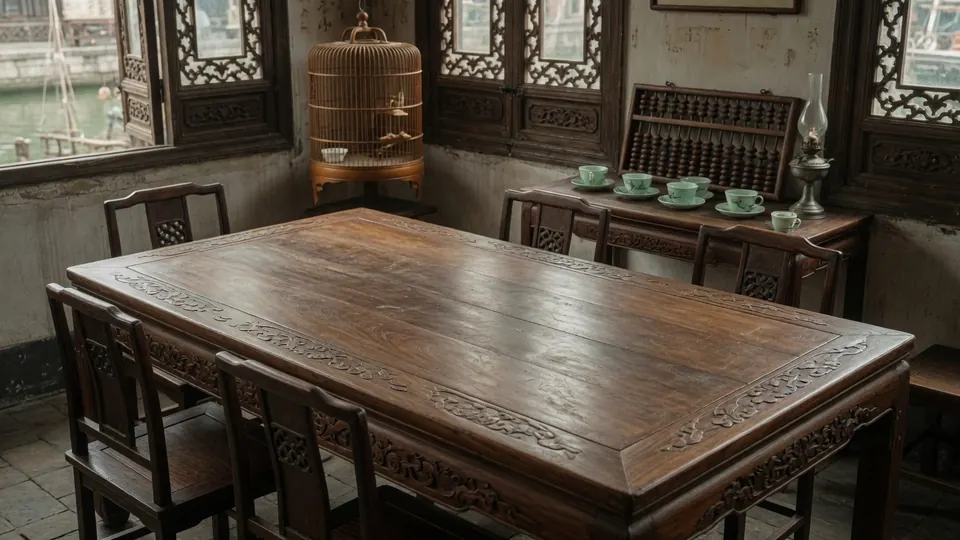
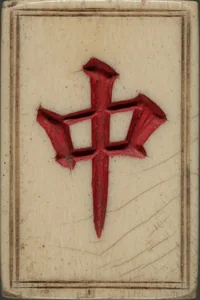
Ma Que — The Sparrow
Ningbo and Shanghai, about 1920
The classical Chinese game. Every hand at the table is scored, points first and then doubles, and East wins and loses double.
-
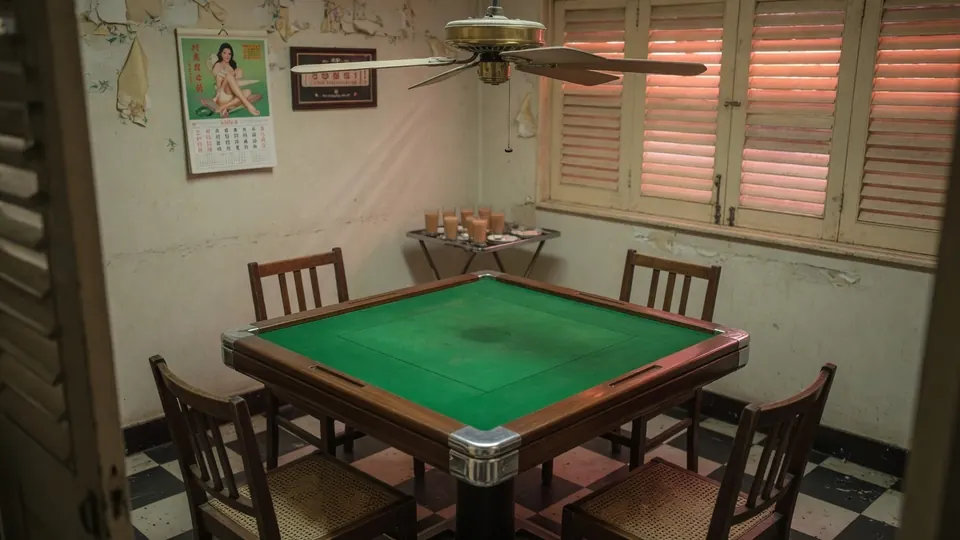
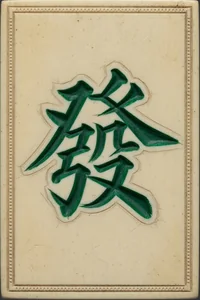
Hong Kong Classical
Hong Kong
The modern Hong Kong home game. Hands are scored in faan, a hand usually needs three to win, and whoever throws the winning tile gives up the points.
-
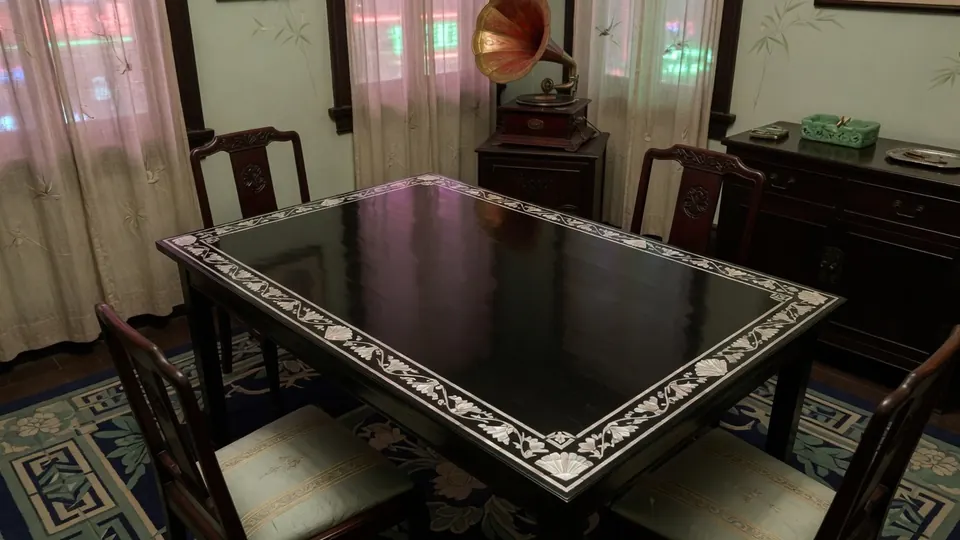
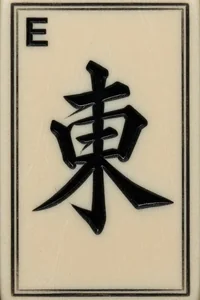
The 1920s Export Set
Shanghai to the world, 1920–1925
Babcock's 1923 rules, played with the sets shipped abroad in the 1920s craze: 136 tiles, four sets and a pair, every hand scored, and East winning and losing double.
-
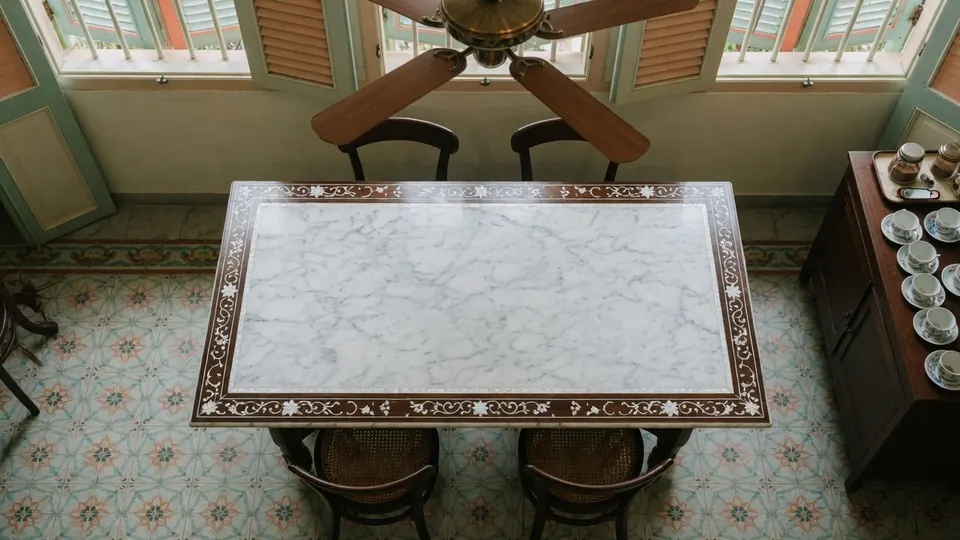
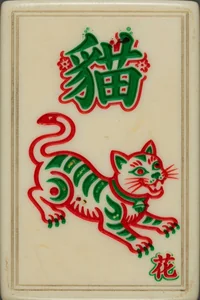
Singapore & Malaysian
Singapore
The Singapore tai game, with four animal tiles that bite: the cat, the rat, the rooster and the centipede. Every player gives the winner points, and the thrower gives double.
-
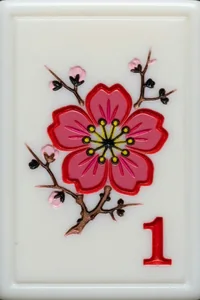
Taiwanese 16-Tile
Taiwan
Sixteen tiles to a hand, so you need five sets and a pair. Hands are scored in tai, and the flowers count for a lot.
-
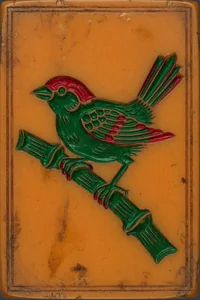
Sichuan Bloody-End
Chengdu, China
108 tiles, suits only. You name a suit to get rid of, you can't claim a run, and the hand plays on after a win until three players have won or the wall runs out.
-
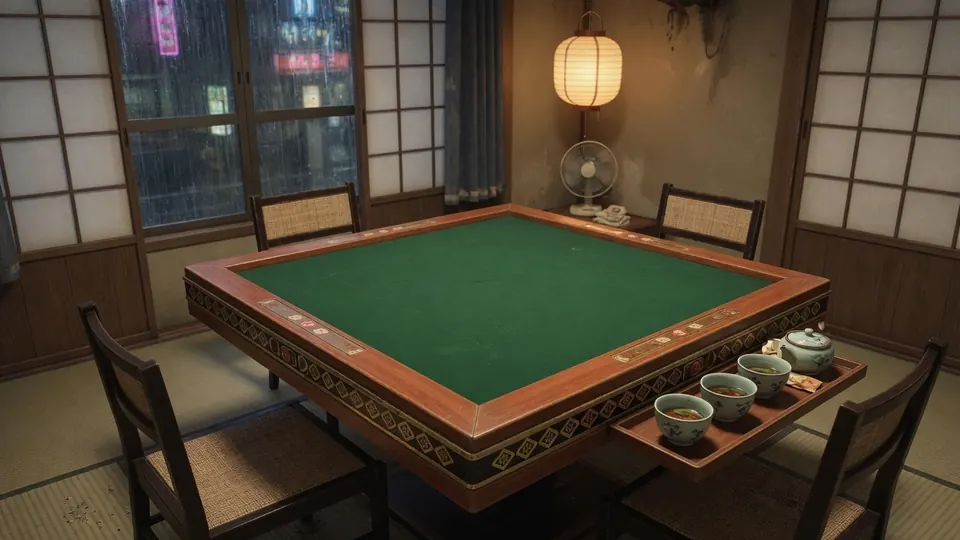
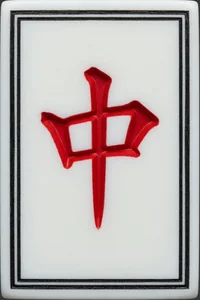
Riichi
Tokyo, Japan
Japanese mahjong: 136 tiles, no flowers, and a winning hand needs at least one yaku. Declare riichi when you're one tile away, and let the dora decide.
-

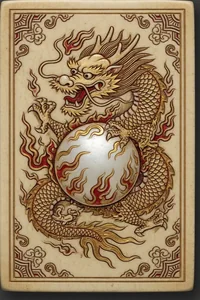
American
New York, USA
152 tiles with eight jokers, the Charleston to pass tiles before play, and every winning hand one line of the Dragon House Card, our own card.
-
Vietnamese
Chợ Lớn, Saigon
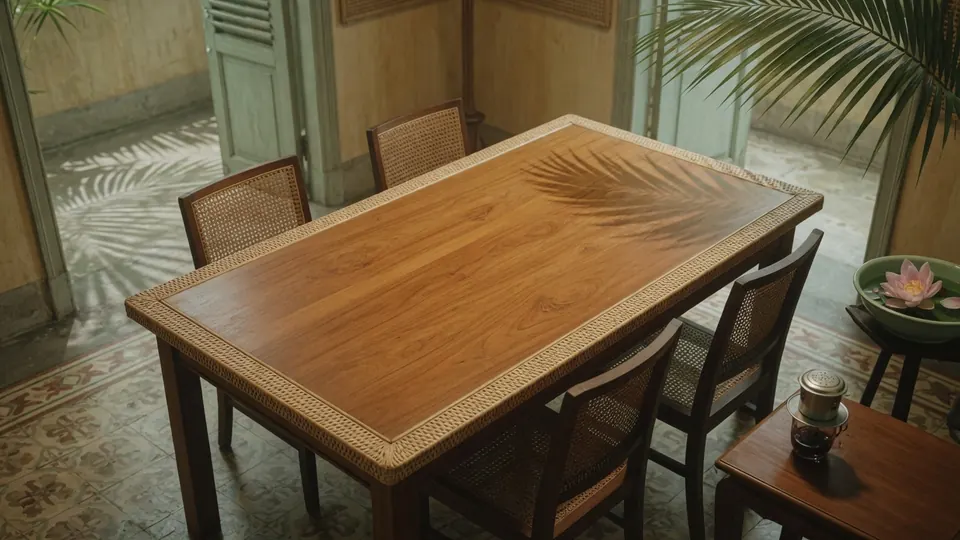
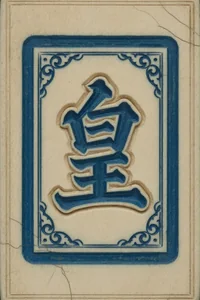
The 160-tile set of southern Vietnam, played as in Saigon before 1975, with eight jokers that each stand in for different tiles, and Kings and Queens among the flowers.
Opponents
Three levels, all trained by us.
Every game has three levels of computer opponent, Level 1, Level 2 and Level 3, all trained by us from many thousands of practice hands. Start gently, then turn them up.
Choose one level for the table in Settings, or a different one for each seat. We're still learning these games ourselves: if an opponent does something that looks wrong, tell us from the table.

The Dragon
A teacher, not a hint button.
Tap HELP at any table and the Dragon reads your rack. She suggests a throw, or a Charleston pass, and tells you why. She knows each game's own reasoning, so her advice in Riichi is not her advice in Sichuan. She never plays for you, and you can turn her off when you're ready.
TABLE RULES opens that game's rules card at any moment: the goal, the claims, and how the hand is scored.
The Learning Center
From your very first tile.
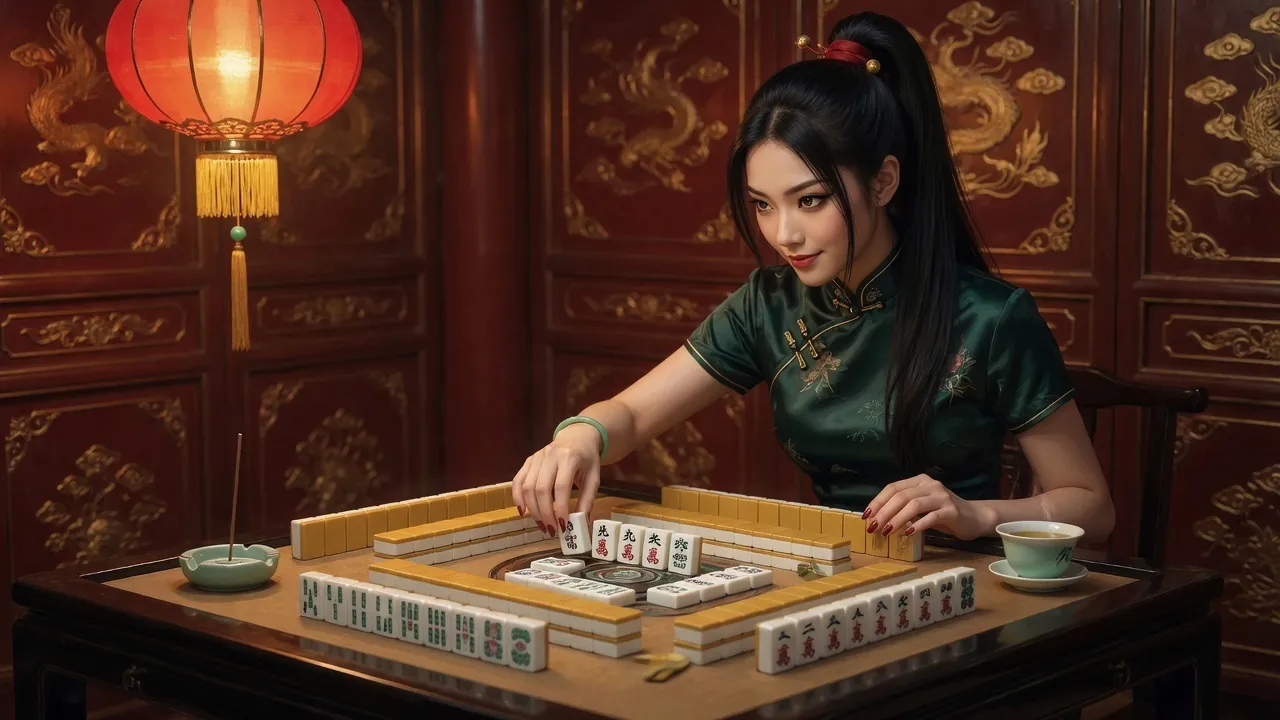
Your First Game is one whole hand with the Dragon beside you, every draw, claim and win explained as it happens. Your First American Hand does the same for the Charleston, the jokers and the card.
The Training Room has six drills: find the waits, choose the throw, spot the safe tile, match the card, and practice the Charleston. There is a glossary, and answers to the questions people ask.
The True History tells fifty stories of where the game came from, with the myths labelled as myths. The Tile Set Atlas takes you to each of the nine sets and the place it comes from. You can even play Madiao, the old card game mahjong grew out of, rebuilt from what is known of it.
With friends
Play with the people in the room.
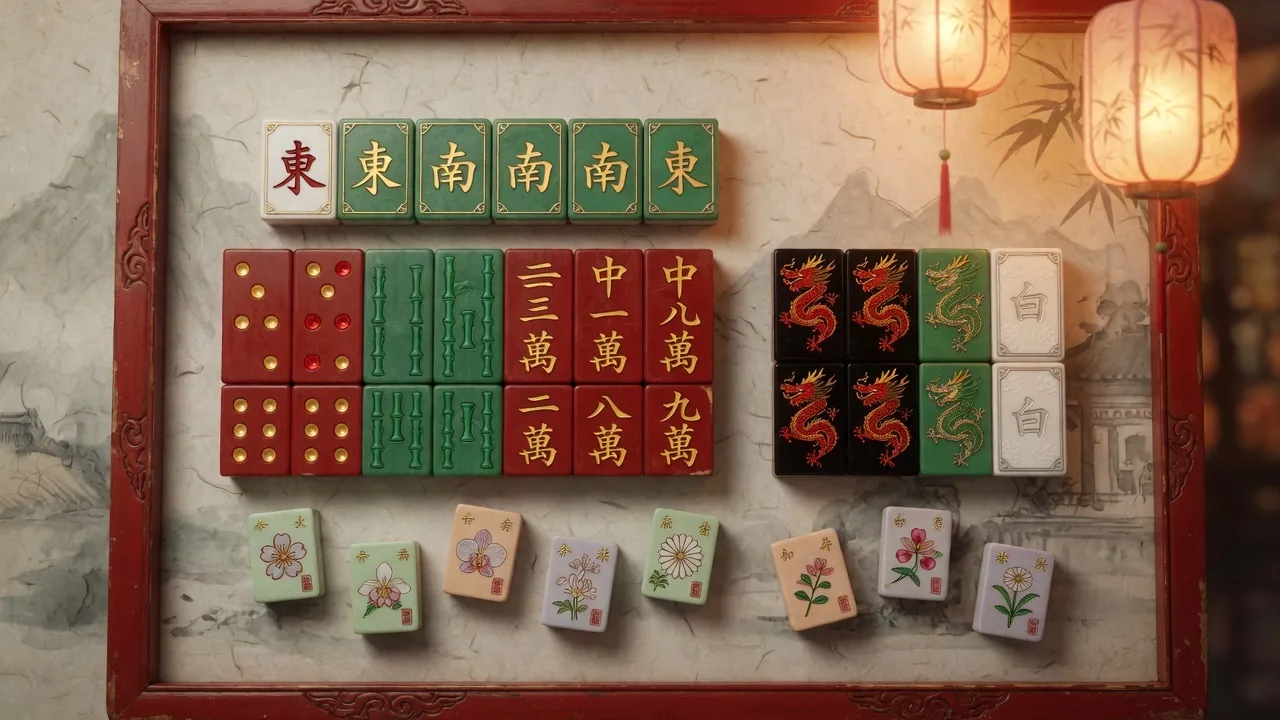
Up to four people, each on their own iPhone or iPad. One of you hosts and picks the game, and the others sit down at that table from their own phones. Seats nobody takes go to Dragon Bots. If someone's phone drops out, a bot keeps their seat warm until they're back.
The devices talk straight to each other over Wi-Fi and Bluetooth: no internet, no accounts, no server. The host's device locks in the shuffle before the deal, and every other device checks it when the hand ends.
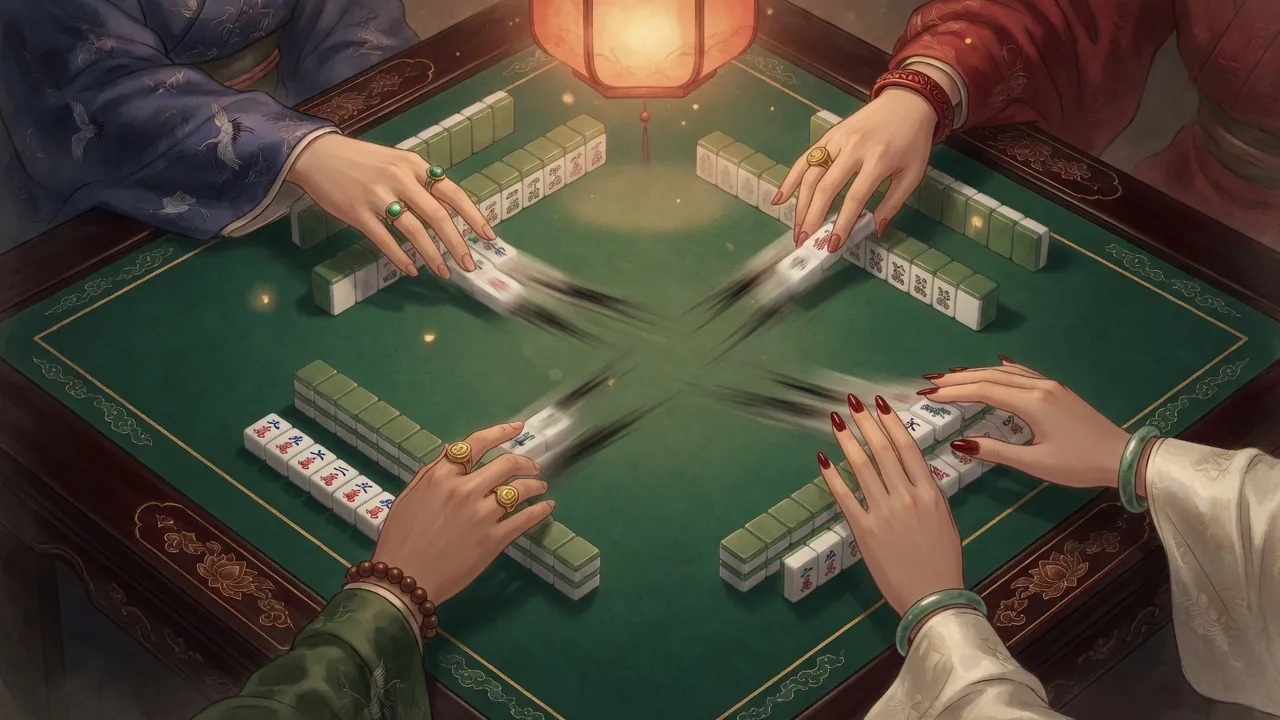
The American game
The Dragon House Card is our own.
In American mahjong you can only win with a hand printed on the card. Mahj Dragon's card is the Dragon House Card: fifty hands we wrote ourselves, in nine sections, from Year 2026 to Singles & Pairs. It comes with the app, and you can read every line of it there.
It isn't a copy of any other card. If your group plays from a different card, the hands here won't match it, but the way you play — the Charleston, the jokers, calling and exposing — works the same.
What you get
What's in the box
- Nine games, each played by its own written rules.
- Three levels of opponent in every game, all trained by us.
- The Dragon, who explains her advice, at every table.
- The Learning Center: two guided first games, six drills, a glossary and the history.
- The Tile Set Atlas: nine sets and the places they come from.
- Games with friends nearby, with no internet and no accounts.
- Free to try for 30 days, then one purchase. No subscription, no ads.
- Nothing collected. No accounts, no analytics, no tracking.
- iPhone and iPad, iOS or iPadOS 17 or later.
Questions
Questions people ask
Is this mahjong solitaire?
No. Mahj Dragon is the four-player game: you draw and throw tiles, claim the ones others throw, and race to make a winning hand. It is not the tile-matching puzzle that borrowed the name.
Which games can I play?
Nine: Ma Que — The Sparrow, Hong Kong Classical, The 1920s Export Set, Singapore & Malaysian, Taiwanese 16-Tile, Sichuan Bloody-End, Riichi, American and Vietnamese. Each one follows its own written rules, from its own sources, so a win or a score works the way it does at that kind of table.
What does it cost?
Mahj Dragon is free to download, and every game is free for 30 days from your first game. After that, one purchase, the Full Game, keeps you playing every game for good. It costs $14.99. The Learning Center, the Atlas, every game's rules and joining a friend's table stay free. No subscription, no ads.
Do I need the internet or an account?
No. Games against the computer play anywhere, even in airplane mode. Games with friends run straight between your devices over Wi-Fi and Bluetooth, with no internet, no account and no server. Game Center is optional.
Can I play with friends who aren't in the room?
No. Mahj Dragon plays with the people near you, up to four at one table, each on their own iPhone or iPad. It has no online play.
I've never played mahjong. Where do I start?
With Your First Game in the Learning Center: one whole hand, played with the Dragon beside you, where every draw, claim and win is explained as it happens. American players have their own first hand, with the Charleston and the card. After that, the Training Room has six drills, and HELP is at every table.
What are the computer opponents like?
Every game has three levels, Level 1, Level 2 and Level 3, all trained by us from many thousands of practice hands. Start gently, then turn them up: in Settings, choose one level for the table or a different one for each seat.
Which card does the American game use?
Its own: the Dragon House Card, fifty winning hands written for Mahj Dragon, in nine sections. You can read every line of it in the app. It isn't a copy of any other card.
My family plays a little differently. Can I change the rules?
Each game plays one written version of its rules. A few table traditions can be set in Settings, such as the American Charleston's optional passes and some scoring limits. If your table plays another way, tap Leave a comment in the app and tell us.
When can I get it?
Mahj Dragon comes to the App Store on Thursday, 19 November 2026, and you will be able to pre-order it before then. This page will link to it.
Is there an Android version?
No. Mahj Dragon is for iPhone and iPad, on iOS or iPadOS 17 or later.